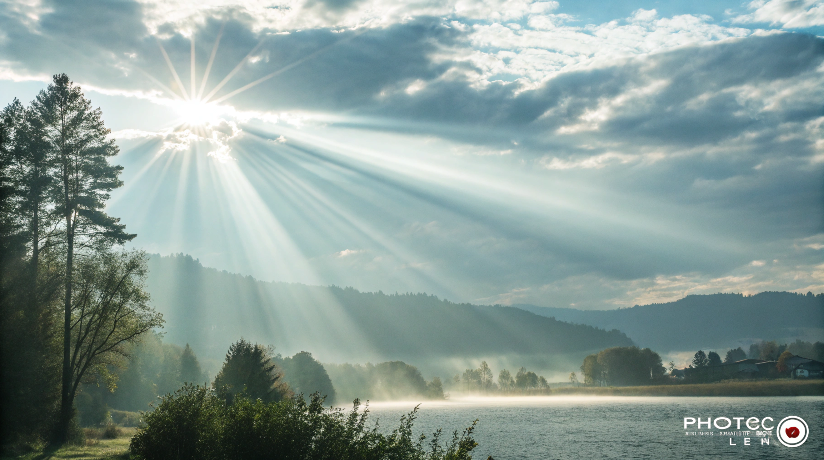
Lens flare is a captivating and often unexpected phenomenon in photography that can add a sense of creativity and drama to an image. It occurs when light scatters inside the lens, causing bright streaks or circles of light to appear in the frame. While some photographers try to avoid lens flare, others embrace it for its aesthetic value. Understanding the causes and effects of lens flare can help you use it intentionally to enhance your photos.
What is Lens Flare?
Lens flare happens when bright light sources, such as the sun or artificial lights, hit the lens at certain angles. This light reflects off the lens elements and causes unusual light patterns in the image. These patterns can appear as bright spots, circles, or streaks, which may be noticeable or subtle depending on the lens and the light source.
Types of Lens Flare
There are two primary types of lens flare: veiling glare and ghosting.
- Veiling Glare: This occurs when a bright light source washes out the entire image, causing a loss of contrast. It creates a haze that makes the scene appear washed out or dull.
- Ghosting: Ghosting happens when light reflects off the lens elements and creates repeating shapes or patterns, often in the form of halos, rings, or multi-colored streaks.
Causes of Lens Flare
Several factors contribute to lens flare:
- Direct Light Source: The most common cause is direct sunlight or artificial light hitting the lens. Light scattering within the lens elements results in the flare effect.
- Lens Design: Older lenses with fewer coatings or more elements are more likely to produce lens flare. Modern lenses often have coatings that reduce the likelihood of flare.
- Wide-Angle Lenses: These lenses are more prone to flare, especially when capturing scenes with bright light sources at the edges of the frame.
- Light Conditions: Low-light conditions, such as sunsets or bright daylight, increase the chance of lens flare. The stronger the light source, the more intense the flare.
Creative Uses of Lens Flare
Lens flare isn’t always an unwanted distraction; it can add a unique atmosphere or mood to a photograph. Here are a few ways to use lens flare creatively:
- Enhance Atmosphere: Flare can create a warm or ethereal glow, perfect for capturing the feeling of a sunset, sunrise, or a dreamy scene.
- Highlight the Subject: A well-placed flare can emphasize the subject, especially if it’s positioned near the light source.
- Create a Retro Look: The soft, diffused light from lens flare can evoke a vintage or cinematic feel, often used in film photography or stylistic portraits.
How to Control Lens Flare
While some photographers intentionally capture lens flare, others prefer to minimize or avoid it. Here are a few techniques to control it:
- Use a Lens Hood: A lens hood can block direct light from entering the lens, reducing the chances of flare.
- Adjust the Angle: Moving your camera or changing your shooting angle can help avoid direct light hitting the lens. This also allows you to control the intensity and direction of the flare.
- Use a Smaller Aperture: A smaller aperture (higher f-number) can minimize the intensity of lens flare by reducing the amount of light entering the lens.
- Choose the Right Lens: Lenses with advanced coatings and fewer elements are generally better at reducing flare. Prime lenses tend to produce less flare compared to zoom lenses.
Lens Flare in Different Photography Genres
- Landscape Photography: Lens flare can be an interesting addition to landscape photos, especially when photographing the sun or other bright light sources. It can give a sense of depth and warmth to the scene.
- Portrait Photography: Subtle lens flare can add a soft, romantic glow to portraits, enhancing the subject’s appearance and making the shot feel more dynamic.
- Architectural Photography: In architectural photography, lens flare can highlight the stark contrast between buildings and natural light, often creating an artistic effect.
Lens Flare and Post-Processing
If you want to add lens flare to a photo or correct an unwanted flare, post-processing software like Adobe Photoshop can be extremely helpful. You can add simulated lens flare using filters or adjust the intensity of natural flare captured in the shot. However, overdoing it can make the effect look unnatural, so subtlety is key when editing lens flare.
Popular Cameras and Lenses for Minimizing Lens Flare
Many modern cameras and lenses are designed with coatings that reduce the effects of lens flare. Brands like Canon, Nikon, and Sony offer lenses with special anti-reflective coatings that help minimize glare and ghosting. Investing in a good lens with these features is a great way to control flare if it’s a concern for your style of photography.
Lens Flare in Cinematic Photography
Lens flare has become a popular stylistic choice in cinematic photography, especially in the works of directors like J.J. Abrams. In film, lens flare can create an iconic visual style, adding energy and dynamism to scenes. The flares in cinematic shots often appear larger and more dramatic, giving a futuristic or epic feel to the production.
The Impact of Lens Flare on Image Quality
Lens flare can sometimes reduce the overall sharpness and contrast of an image. While some photographers embrace the effect for its creative possibilities, others see it as a negative influence on image quality. Depending on the situation and personal preference, flare can either enhance or diminish the final result.
Conclusion
Lens flare is a unique element in photography that can either be embraced for its creative value or minimized to maintain image quality. Understanding how flare works, its causes, and how to control it can allow you to use it to your advantage, whether you’re aiming for a dramatic effect or simply trying to avoid it. By mastering lens flare, photographers can add depth, warmth, and personality to their images.
FAQs
1. Is lens flare always undesirable?
No, lens flare can add a creative touch to a photo, enhancing the mood and atmosphere. Some photographers use it intentionally to achieve artistic effects.
2. Can lens flare be removed in post-processing?
Yes, lens flare can be reduced or removed in photo editing software, but it may be challenging to completely eliminate it without affecting other elements of the image.
3. What causes lens flare?
Lens flare occurs when bright light enters the lens and reflects off the lens elements, causing light streaks or spots in the image.
4. How can I prevent lens flare?
Using a lens hood, adjusting your angle, or shooting at a smaller aperture can help prevent unwanted lens flare.
5. Can lens flare be used in portrait photography?
Yes, lens flare can add a soft, glowing effect to portraits, enhancing the subject’s look and giving a dreamy atmosphere.