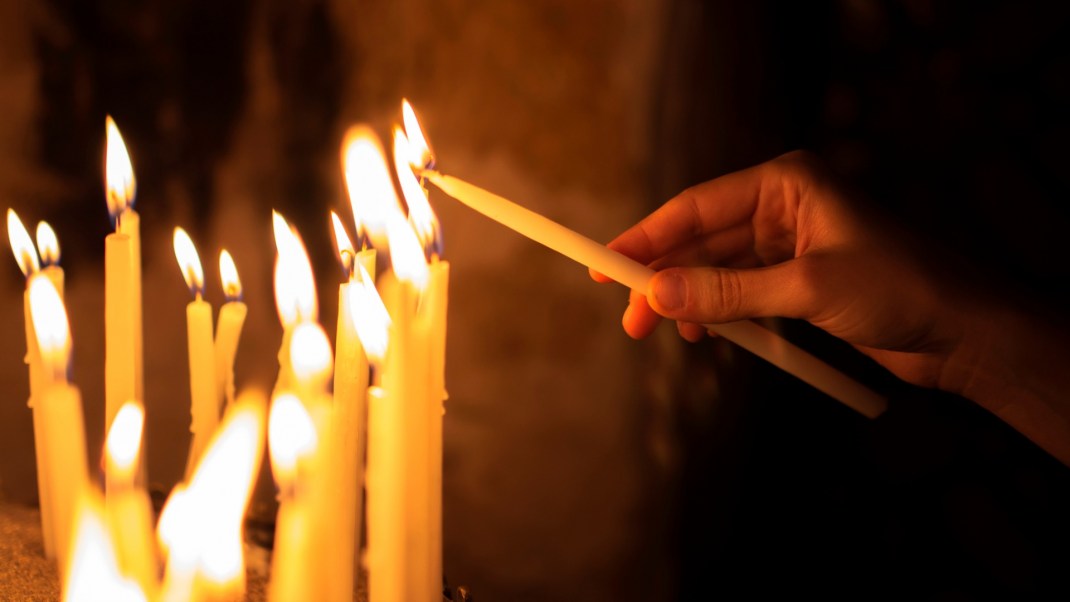
The Tulu-speaking community of southwestern coastal India, particularly in Karnataka, is known for its rich traditions and unique cultural symbols. One such symbol is the Vavilaku, a traditional oil lamp that has become a beacon of spiritual, cultural, and historical importance.
This simple yet powerful object holds far more significance than just lighting up a room. It represents knowledge, prosperity, and spiritual enlightenment, playing a vital role in the rituals and celebrations of the Tulu community. The Vavilaku is deeply intertwined with the daily life of Tulu speakers and continues to shine brightly in the face of modernity.
This article will explore the cultural significance of Vavilaku in Tulu, its historical origins, and its role in the spiritual and cultural practices of the Tulu community.
The Tulu Community: A Glimpse into Tradition
Before diving into the symbolic importance of the Vavilaku, it’s essential to understand the community it originates. The Tulu-speaking people primarily inhabit the coastal regions of Karnataka, including districts such as Dakshina Kannada and Udupi. Tulu is a Dravidian language spoken by over 1.8 million people, known for its distinct linguistic and cultural traits.
The Tulu culture is characterized by a rich tradition of folklore, music, dance, and rituals. Tulu Nadu, the homeland of the Tulu-speaking community, is famous not only for its cultural practices but also for its vibrant festivals and ceremonies that hold deep spiritual meaning. In this context, the Vavilaku stands as a symbol of spiritual purity and divine light.
The Historical Evolution of Vavilaku in Tulu Culture
Origins and Early Usage
The Vavilaku has been a staple of Tulu culture for centuries, with its origins dating back to ancient times when the Tulu region was predominantly agricultural. During these times, the Vavilaku was a practical tool used to illuminate the surroundings, especially during rituals and prayers. However, its significance extends far beyond its function as a mere light source.
As Tulu culture evolved, so did the design and use of the Vavilaku. Initially crafted from earthenware, the lamp gradually transformed into more intricate designs, often made from brass and bronze. These lamps were not only functional objects but also prized family heirlooms passed down through generations, symbolizing a connection to the past and cultural continuity.
Cultural Symbolism of Vavilaku
In Tulu culture, the Vavilaku transcends its practical use. It holds spiritual significance and symbolizes the victory of light over darkness and knowledge over ignorance. It serves as a divine medium, believed to invite positive energy into the home and ward off evil spirits. The act of lighting a Vavilaku is considered sacred, invoking divine blessings for prosperity and protection.
The Role of Vavilaku in Tulu Rituals and Festivals
Kambala: A Festival of Light and Energy
One of the most prominent festivals in Tulu culture is Kambala, a traditional buffalo race that takes place in the waterlogged paddy fields. The event, though a rural sport, is also a spiritual occasion, marking the beginning of the festivities with the lighting of the Vavilaku. The light from the lamp symbolizes the invocation of divine blessings, ensuring the success and safety of the event. The Vavilaku acts as a beacon of divine energy, setting the stage for the vibrant celebration that follows.
Bhoota Kola: The Divine Light of Local Spirits
Another significant ritual in Tulu culture is Bhoota Kola, a traditional ceremony dedicated to worshipping local spirits known as Bhootas. The lighting of the Vavilaku plays an essential role in this ritual, marking the entrance of the divine spirits into the physical world. The light is believed to guide these spirits, ensuring their protection and benevolence toward the community.
Daily Rituals: The Spiritual Connection
In everyday life, the Vavilaku continues to hold significance. Many Tulu households light the Vavilaku at dusk as part of their daily prayer rituals. This practice is believed to bring prosperity and protect the home from negative energy. Placing the lamp in the prayer room or at the entrance of the home is a way to invite divine light into the household, ensuring good fortune and harmony.
The Modern Relevance of Vavilaku in Tulu Culture
Despite the fast-paced modernization of society, the Vavilaku continues to hold strong cultural significance in Tulu Nadu. While many aspects of life have adapted to contemporary standards, the Vavilaku remains a cherished object, especially during festivals like Deepavali. It symbolizes the community’s enduring connection to their cultural roots and spiritual values.
Blending Tradition with Modernity
In modern times, the Vavilaku has found its place in both private and public celebrations. During cultural festivals and religious occasions, the lighting of Vavilaku is a common practice, symbolizing the continuation of Tulu traditions. Many community organizations and cultural groups have taken the initiative to educate younger generations about the Vavilaku, ensuring that the tradition remains vibrant and relevant.
The Spiritual Significance of Vavilaku in Tulu Culture
Light as a Symbol of Knowledge and Purity
In the spiritual realm, the Vavilaku is a powerful symbol. Its light represents the triumph of knowledge over ignorance and the victory of purity over impurity. The act of lighting the Vavilaku is accompanied by prayers, emphasizing the spiritual importance of light in Tulu culture. This practice serves as a reminder of the deep connection between spirituality and daily life.
Connection to Nature and Local Deities
Tulu spirituality is inherently connected to nature and the worship of local deities. The Vavilaku, with its light, is seen as a physical manifestation of this divine connection. Whether lighting the lamp during agricultural festivals like Kambala or invoking the spirits during Bhoota Kola, the Vavilaku bridges the human world and the divine.
READ MORE: welke receiver de onkyo rz 740 of de yamaha rx-a4a
FAQs
What is the Vavilaku in Tulu culture?
The Vavilaku is a traditional oil lamp used in Tulu culture, symbolizing knowledge, prosperity, and spiritual enlightenment. It is often used in various rituals, festivals, and daily practices.
What is the significance of lighting the Vavilaku?
Lighting the Vavilaku symbolizes the triumph of light over darkness and knowledge over ignorance. It is believed to bring positive energy, divine blessings and protect the household from evil spirits.
How is the Vavilaku used in festivals?
In festivals like Kambala and Bhoota Kola, the Vavilaku is lit to invoke divine blessings, protect the community, and guide the spirits during the rituals. It is a central part of the spiritual celebrations.
Can the Vavilaku be used in modern times?
Yes, the Vavilaku continues to be used in modern Tulu households, especially during festivals like Deepavali. It serves as a symbol of the community’s deep-rooted cultural heritage and spiritual values.
Conclusion:
The Vavilaku in Tulu is not just a simple oil lamp but a symbol of the Tulu-speaking community’s rich cultural and spiritual heritage. From its origins as a simple light source to its deep spiritual significance in rituals and festivals, the Vavilaku continues to illuminate the lives of the Tulu people, both in the past and present. It serves as a reminder of the importance of light, knowledge, and spirituality in their lives, ensuring that these values remain at the heart of Tulu culture for generations to come.
Whether lighting the Vavilaku in a traditional ceremony or using it to invite divine light into the home, this simple object holds the power to connect the physical world with the divine. The Vavilaku shines as a beacon of Tulu identity, illuminating the path forward while honoring the past.
READ MORE: