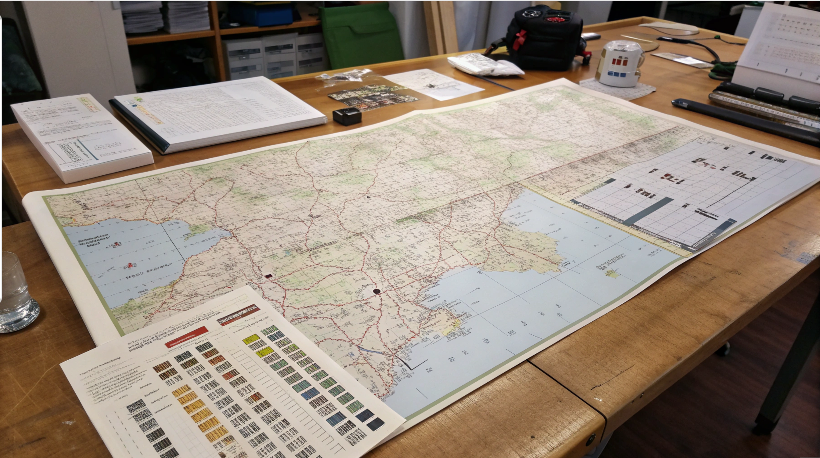
In the realms of technology, gaming, and engineering, maps and parts are fundamental tools for navigating and understanding complex systems. Whether you’re exploring a game like “wopfoll78z” or working with a technical system like “vohasrog2,” having a clear understanding of maps and the components involved is essential. This article delves into the importance of maps and parts, how to find them, and their applications in various fields.
What Are Maps in This Context?
Maps serve as visual or conceptual representations of a system, environment, or structure. They are indispensable tools for navigation, problem-solving, and planning. Depending on the context, maps can take on different forms:
- In Gaming: Maps guide players through virtual worlds, highlighting key locations such as objectives, resources, and hidden areas. For example, in a game like “wopfoll78z,” a map might reveal the locations of rare items or critical pathways.
- In Engineering and Technology: Maps can represent schematics, blueprints, or flowcharts that outline the structure and functionality of a system. For instance, a map for “vohasrog2” might detail the wiring or software architecture of a device.
- In Data Analysis: Maps can also refer to data visualizations, such as heatmaps or network diagrams, which help analysts identify patterns and relationships.
Maps are not just tools for navigation; they are also frameworks for understanding how different elements within a system interact.
The Role of Parts in Complex Systems
Parts are the building blocks of any system. They are the individual components that, when combined, create a functional whole. In the context of “wopfoll78z” or “vohasrog2,” parts could refer to:
- Game Items: In gaming, parts might include weapons, tools, or collectibles that players need to progress. For example, finding specific parts in “wopfoll78z” could unlock new abilities or areas.
- Hardware Components: In technical systems, parts could be physical components like circuits, sensors, or mechanical pieces. Understanding these parts is crucial for maintenance, repair, or optimization.
- Software Modules: In software development, parts might refer to code modules, libraries, or APIs that work together to create a functional application.
Understanding the role of each part and how it contributes to the overall system is key to mastering any complex environment.
How to Find Maps and Parts
Locating maps and parts can be a challenging but rewarding process. Here are some strategies to help you find what you need:
- Official Documentation:
Always start with the official documentation provided by the creators of the system or game. Manuals, guides, and tutorials often contain detailed maps and part lists. - Community Forums and Online Resources:
Online communities are treasure troves of information. Platforms like Reddit, Discord, or specialized forums often have user-generated maps, walkthroughs, and tips for finding parts. - Exploration and Experimentation:
Sometimes, the best way to find maps and parts is through hands-on exploration. In games, this might mean revisiting areas or solving puzzles. In technical systems, it could involve testing and troubleshooting. - Third-Party Tools and Apps:
For games, there are often third-party apps or websites that provide interactive maps and part locations. For technical systems, software tools can help visualize schematics or diagnose issues.
Applications of Maps and Parts in Real Life
The concepts of maps and parts extend far beyond gaming and fictional systems. They are integral to many real-world applications:
- Urban Planning and Architecture:
Maps are used to design cities, while parts refer to infrastructure like roads, buildings, and utilities. Urban planners rely on maps to optimize traffic flow, allocate resources, and plan for future growth. - Software Development:
In software engineering, maps can represent code architecture or workflow diagrams, while parts are the individual modules, functions, or libraries that make up the program. - Manufacturing and Engineering:
Maps in manufacturing might include assembly line layouts, while parts are the raw materials and components used to build products. Engineers use these maps to streamline production and ensure quality. - Healthcare and Biology:
In healthcare, maps can represent anatomical diagrams or genetic maps, while parts refer to organs, cells, or DNA sequences. These tools are essential for diagnosis, treatment, and research.
Challenges in Navigating Complex Systems
While maps and parts are invaluable, navigating complex systems is not without its challenges:
- Incomplete or Outdated Information:
Maps and part lists may be incomplete or outdated, especially in rapidly evolving systems or games with frequent updates. - Overwhelming Complexity:
Some systems are so complex that even with a map, understanding how all the parts interact can be daunting. - Accessibility Issues:
Not all users have equal access to maps or the technical knowledge required to interpret them. This can create barriers for beginners or those with limited resources.
Tips for Mastering Maps and Parts
To effectively navigate and utilize maps and parts, consider the following tips:
- Start Small:
Focus on one section of the map or one part at a time. Breaking down the system into manageable chunks makes it easier to understand. - Collaborate with Others:
Join communities or teams to share knowledge and resources. Collaboration can help you uncover hidden details and solve problems faster. - Stay Updated:
Regularly check for updates or new information, especially in dynamic systems or games. - Practice and Experiment:
Hands-on experience is often the best teacher. Don’t be afraid to experiment and learn from your mistakes.
Conclusion
Maps and parts are essential tools for navigating and understanding complex systems, whether in gaming, technology, or real-world applications. By mastering the art of reading maps and identifying key components, you can unlock new possibilities, overcome challenges, and achieve your goals with confidence. Whether you’re exploring the virtual world of “wopfoll78z” or working with the intricate system of “vohasrog2,” the principles remain the same: knowledge, exploration, and collaboration are your greatest allies.