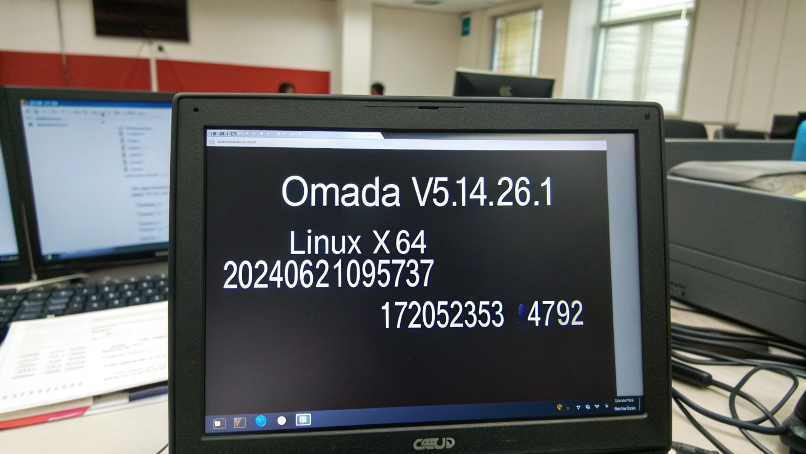
In the world of network management, the Omada_v5.14.26.1_Linux_X64 version plays a significant role in improving and streamlining network systems. Omada is a powerful management solution that allows users to control, monitor, and configure networking devices across a variety of environments. With this version being tailored for Linux operating systems, it brings enhanced performance, stability, and security to users who prefer open-source environments. In this article, we’ll dive deep into its features, compatibility, installation process, and why it is a valuable addition to your network management toolkit.
What is Omada?
Omada is a comprehensive network management solution developed by TP-Link, designed to help users control network devices such as routers, switches, and access points. It provides a centralized platform for managing and monitoring networks, especially useful for businesses and large-scale installations. The Omada_v5.14.26.1_Linux_X64 is one of the latest versions designed to run on Linux-based systems, offering advanced features and better performance than earlier releases.
Key Features of Omada_v5.14.26.1_Linux_X64
The Omada_v5.14.26.1_Linux_X64 version comes with numerous upgrades, including improved stability, security, and user interface. Some of its standout features include:
- Centralized Network Management: Omada allows users to manage all connected devices from a single dashboard, streamlining the monitoring process.
- Device Configuration: The platform supports easy configuration of various TP-Link devices, such as access points, switches, and routers.
- Cloud Control: With cloud integration, users can access their network remotely, even when they are not on-site.
- Advanced Security Features: Enhanced security protocols are built in to safeguard networks from unauthorized access and attacks.
Compatibility with Linux Systems
One of the key highlights of Omada_v5.14.26.1_Linux_X64 is its compatibility with Linux operating systems. This makes it an excellent choice for users who prefer Linux for its open-source nature and flexibility. The Linux version ensures that Omada can run seamlessly on various Linux distributions, such as Ubuntu, Debian, and CentOS, providing users with an efficient tool for managing networks in Linux environments.
Installation Requirements
Before installing Omada_v5.14.26.1_Linux_X64, it’s important to meet the necessary hardware and software requirements. Here’s what you’ll need:
- A Linux machine (64-bit architecture)
- Sufficient RAM (at least 2GB for smooth operation)
- At least 1GB of available disk space
- A stable internet connection for updates and cloud integration
How to Install Omada_v5.14.26.1_Linux_X64
Installing Omada_v5.14.26.1_Linux_X64 on a Linux system is a straightforward process. Follow these simple steps:
Step 1: Download the Installation Package
Visit the official TP-Link website or trusted repositories to download the Omada_v5.14.26.1_Linux_X64 installation package.
Step 2: Prepare Your Linux System
Ensure that your system is up to date by running:
sqlCopyEditsudo apt-get update
sudo apt-get upgrade
Install necessary dependencies like Java, as Omada requires it to run smoothly.
Step 3: Run the Installation Command
Once the package is downloaded, navigate to the directory containing the installer and run the following command:
nginxCopyEditsudo bash omada_v5.14.26.1_Linux_X64.sh
Step 4: Follow the On-screen Instructions
The installation wizard will guide you through the process. Accept the terms and conditions and select the desired installation path.
Step 5: Start Omada
Once installed, you can start the Omada service by running:
sqlCopyEditsudo systemctl start omada
You can now access the Omada management interface through your web browser.
User Interface: What to Expect
The Omada_v5.14.26.1_Linux_X64 version features an intuitive web-based interface. The dashboard displays real-time information about connected devices, traffic, and performance metrics. Users can configure individual devices, manage VLANs, set up Wi-Fi SSIDs, and monitor system health with ease.
Managing Devices with Omada
Once Omada is installed, users can add devices such as access points, switches, and routers to the network. The platform supports auto-discovery of TP-Link devices, making the process of connecting and managing them seamless. Users can also configure device settings, set network parameters, and even push firmware updates directly from the Omada platform.
Benefits of Using Omada_v5.14.26.1_Linux_X64
There are several reasons why Omada_v5.14.26.1_Linux_X64 is a great choice for network management:
- Enhanced Performance: Linux systems are known for their stability and performance. Omada runs efficiently on Linux, offering improved speed and reduced resource consumption.
- Centralized Management: Omada offers a centralized network management solution, making it easier for IT teams to monitor and control large networks.
- Scalability: Whether you’re managing a small business network or a large enterprise setup, Omada can scale to fit your needs.
- Cloud Integration: With cloud control, you can manage your network remotely, anytime and anywhere.
Troubleshooting Common Issues
While Omada_v5.14.26.1_Linux_X64 is designed to be stable, users may encounter some common issues during setup or usage. Here are a few troubleshooting tips:
- Unable to Access the Dashboard: If you can’t access the Omada dashboard, ensure that the service is running by checking the status with:luaCopyEdit
sudo systemctl status omada - Network Device Not Showing Up: Make sure that the device is properly connected to the network and compatible with Omada. Try rebooting the device or re-running the discovery process.
- Slow Performance: If Omada is running slowly, check your system resources to ensure that there is enough RAM and CPU available.
Security Features and Updates
Omada places a strong emphasis on security. With Omada_v5.14.26.1_Linux_X64, users benefit from the latest security patches, ensuring that their network remains safe from potential threats. Regular updates help address vulnerabilities and introduce new features, keeping the system up-to-date and secure.
Cloud Management: Control Your Network from Anywhere
One of the biggest advantages of Omada_v5.14.26.1_Linux_X64 is its cloud management feature. With cloud integration, users can access and manage their networks from anywhere in the world, as long as they have an internet connection. This remote control functionality is especially useful for businesses with multiple locations or for IT teams who need to monitor networks without being physically present.
Benefits of Omada Cloud Service
- Remote Access: Manage devices, monitor performance, and configure settings from any location.
- Automatic Updates: The cloud-based service ensures that the latest updates are automatically applied to your network devices.
- Backup and Restore: Cloud storage allows for easy backup and restoration of configurations, ensuring that data is always safe.
Future Updates for Omada_v5.14.26.1_Linux_X64
As technology continues to evolve, Omada_v5.14.26.1_Linux_X64 will likely receive further updates to improve its functionality, add new features, and address security concerns. Users can expect regular patches and improvements to ensure the system stays compatible with the latest hardware and software innovations.
Conclusion:
The Omada_v5.14.26.1_Linux_X64 is an excellent solution for network management in Linux-based environments. With its user-friendly interface, robust security features, and cloud control capabilities, it provides a reliable and efficient way to manage network devices across various environments. Whether you’re a small business owner or part of an enterprise-level IT team, Omada offers the tools necessary to ensure that your network runs smoothly and securely.
FAQs
- What is Omada_v5.14.26.1_Linux_X64?
It is a version of the Omada network management solution designed for Linux systems, offering centralized control, device management, and cloud integration. - How do I install Omada_v5.14.26.1_Linux_X64 on my Linux system?
Download the installation package, run the installer with necessary dependencies, and follow the on-screen instructions to complete the installation. - Can Omada be used on any Linux distribution?
Yes, Omada_v5.14.26.1_Linux_X64 is compatible with most popular Linux distributions, including Ubuntu, CentOS, and Debian. - What devices can I manage with Omada?
You can manage a wide range of TP-Link devices, including routers, switches, and access points. - Is cloud management available with Omada?
Yes, Omada offers cloud management, allowing users to control and monitor their network from anywhere.